
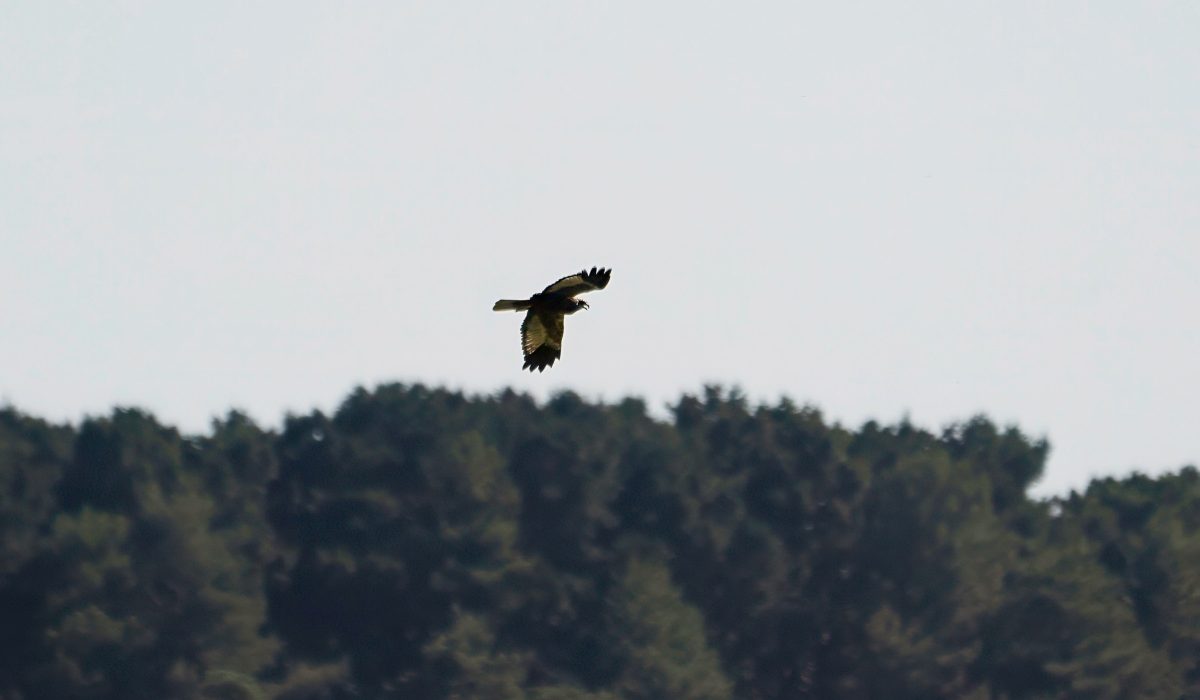
Where to see birds of prey in Suffolk
Suffolk is home to a wide variety of birds of prey, from majestic hawks and eagles to elusive owls and falcons. The county’s diverse habitats—woodlands, wetlands, and coastal marshes—make it an ideal location for birdwatching enthusiasts and families alike. Observing these raptors in their natural environment offers a unique way to connect with Suffolk’s wildlife and landscapes.
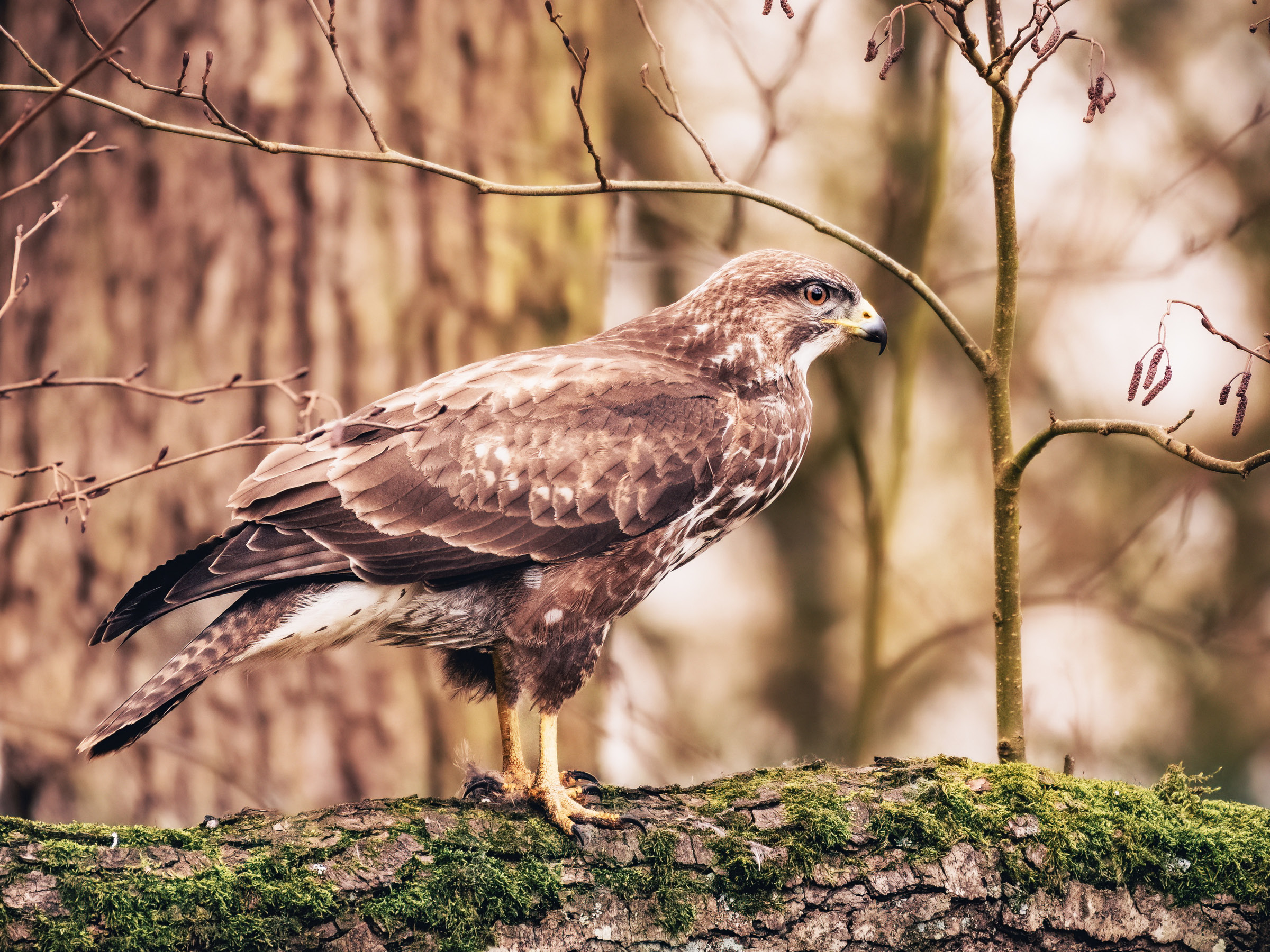
Top spots to see birds of prey in Suffolk
RSPB Minsmere, Westleton: Minsmere is one of the UK’s most important reserves for birdwatching. The reedbeds, wetland areas, and woodland provide habitats for marsh harriers, barn owls, and kestrels. Well-marked trails and hides make it easy to observe these birds up close.
Dunwich Heath, Walberswick: This National Trust reserve is home to barn owls and buzzards, among other raptors. Walking the heathland trails offers opportunities to spot these birds soaring above the landscape.
Framlingham Castle, Framlingham: The historic castle grounds attract kestrels and common buzzards. The surrounding meadows and fields provide good vantage points for spotting raptors hunting over open land.
Sutton Hoo, Woodbridge: The riverside habitats and surrounding woodlands support kestrels, buzzards, and owls. Early morning or late afternoon visits give the best chance of seeing them in action.
The Redgrave and Lopham Fen, near Bury St. Edmunds: This large wetland area is ideal for observing marsh harriers and other raptors. Boardwalks and observation points allow visitors to enjoy the wildlife without disturbing the habitats.
Visitor tip: For the best chance to see birds of prey, visit early in the morning or late afternoon. Bring binoculars and a camera with a zoom lens, and check reserve websites for seasonal events or guided birdwatching tours. Popular spots like RSPB Minsmere, Dunwich Heath, and Sutton Hoo can be busy at weekends, so plan ahead and explore nearby villages for a full day out.
Stay nearby
Experience Suffolk’s wildlife while staying in one of our handpicked holiday cottages. From coastal cottages to rural retreats, each property offers a comfortable base to explore raptor habitats and enjoy the county’s stunning landscapes. Your Suffolk escape awaits…
Holiday Cottages in Suffolk
