
Art classes in Suffolk
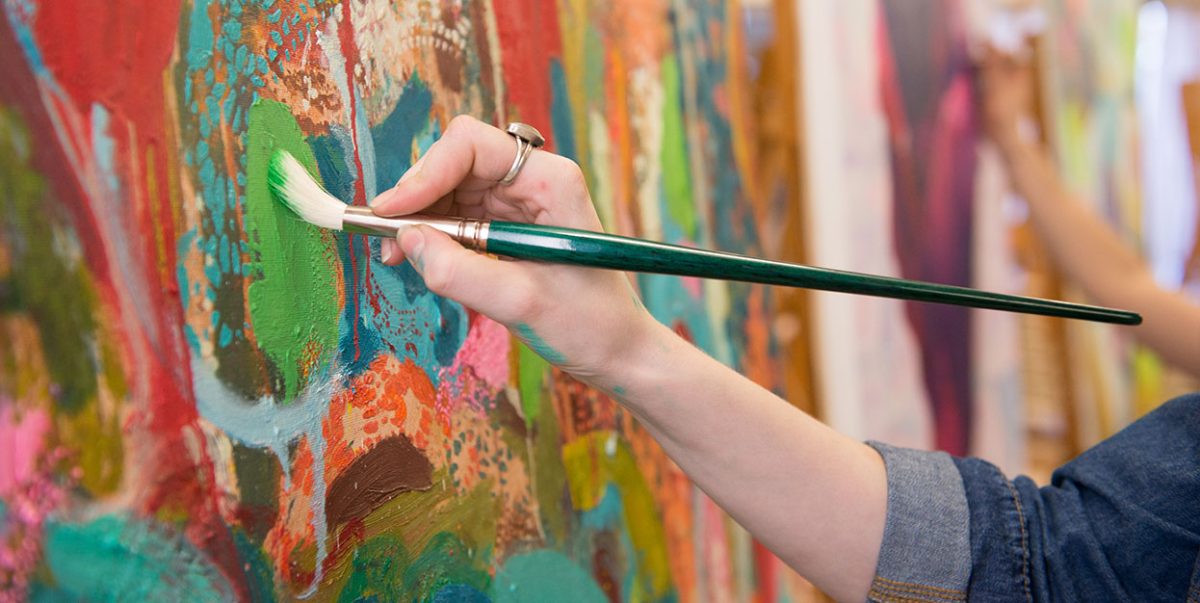
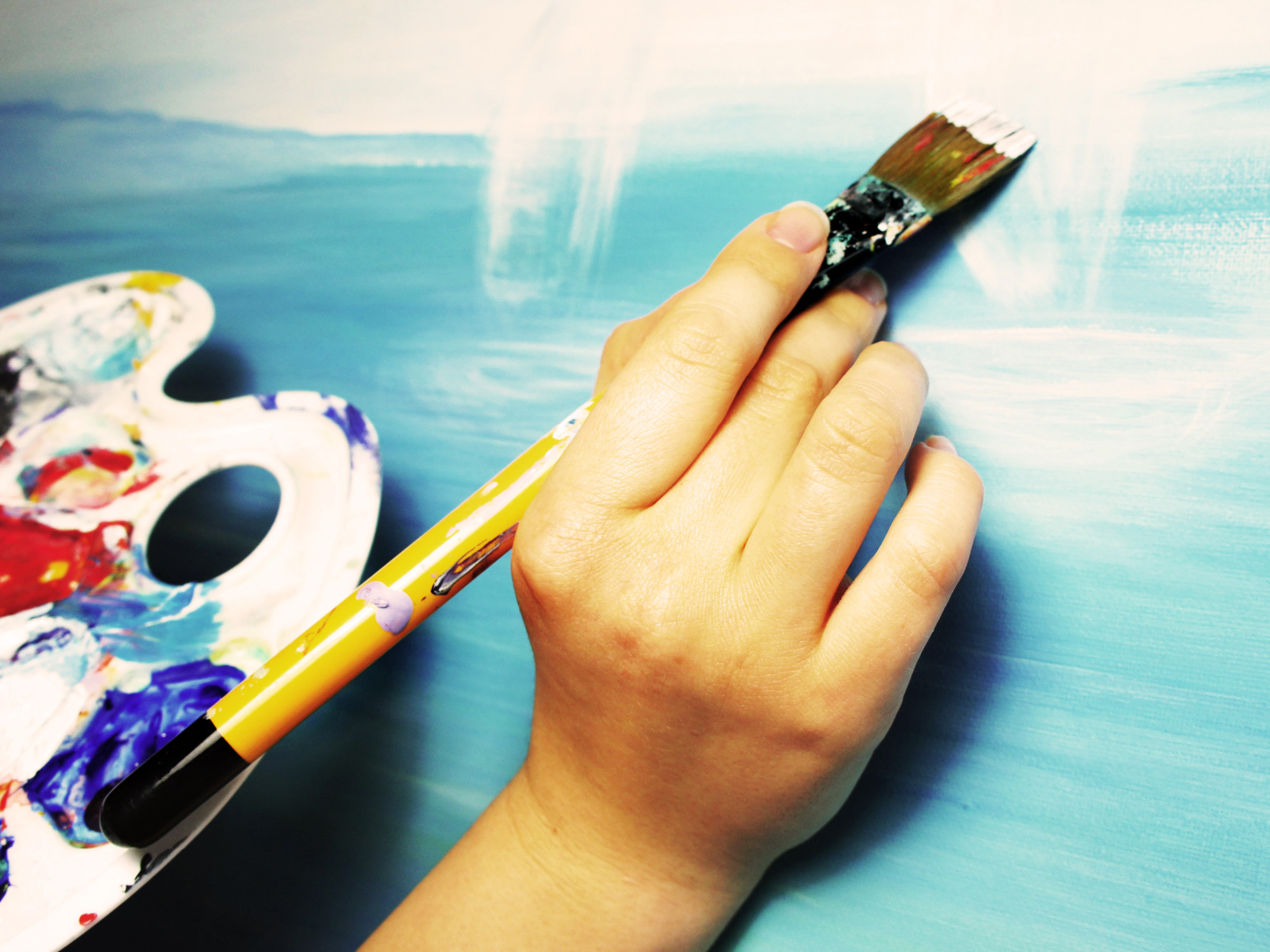
Suffolk’s rich artistic heritage, from the landscapes of John Constable to the contemporary works of Maggi Hambling, continues to inspire both seasoned artists and beginners alike. The county offers a variety of art classes and workshops, providing opportunities for creative expression in picturesque settings.
Top art classes in Suffolk
Snape Maltings, Snape: Snape Maltings, managed by Britten Pears Arts, offers a range of art workshops and courses throughout the year. These include life drawing, printmaking, and mixed media classes, often held in conjunction with their music and theatre programmes. The venue is renowned for its inspiring riverside location and historic architecture.
The Cut Arts Centre, Halesworth: The Cut offers a diverse programme of art classes, including life drawing, painting, and printmaking. Classes are suitable for all skill levels and are taught by experienced artists. The centre also hosts exhibitions and events, making it a vibrant hub for the arts in Suffolk.
Studio10a, Framlingham: Studio10a provides weekly art classes for adults and children, focusing on various mediums such as painting, drawing, and ceramics. The classes are designed for all skill levels, from beginners to advanced artists, and are taught by experienced instructors.
Woodbridge Art Club, Woodbridge: Woodbridge Art Club offers a range of art classes and workshops, including painting, pottery, and photography. The club is open to new members and provides a supportive environment for artists of all levels.
Art in Aldeburgh, Aldeburgh: Art in Aldeburgh runs short art courses led by established artists, focusing on various techniques such as watercolours, pastels, and oil painting. These courses are suitable for beginners and provide a great opportunity to learn in the inspiring coastal town of Aldeburgh.
Visitor tip: Many art classes in Suffolk fill up quickly, especially during school holidays and summer months. Plan ahead to book your place, and consider combining a workshop with a visit to local galleries or a coastal walk for a full artistic day out.
Stay near Suffolk art classes
Experience the best of Suffolk’s creative scene while enjoying a relaxing stay in one of our handpicked holiday cottages. From riverside retreats to coastal cottages, each property offers a comfortable base to explore workshops, galleries, and local culture. Your Suffolk escape awaits…
Holiday Cottages in Suffolk
